Laboratory of Archaeological Science and Cultural Relics Conservation
The Laboratory of Archaeological Science and Cultural Relics Conservation comprises specialized laboratories under the Archaeological Science Research Center and the Cultural Relics Conservation Research Center of the Shandong Institute of Cultural Relics and Archaeology. In line with its research priorities and professional functions, it contains 13 sub-laboratories, including the Human Evolution Laboratory, Zooarchaeology Laboratory, Isotope Analysis Laboratory, Digital Archaeology Laboratory, and Comprehensive Cultural Relics Conservation Laboratory. Each laboratory is equipped with advanced scientific instruments, including scanning electron microscopes, X-ray fluorescence spectrometers, LA-ICP-MS, 3D laser scanning systems, and multispectral imaging systems, to support a wide range of scientific research activities. In 2025, the laboratory was selected as Shandong Provincial Key Laboratory of Culture and Tourism.
The laboratory has a well-structured research team with extensive expertise. It has 26 permanent researchers, including 3 with senior titles, 6 with intermediate titles, and 17 junior professionals and technical staff. Of these, 2 hold doctoral degrees, 13 hold master’s degrees, and 4 are doctoral candidates. The proportion of researchers with a master’s degree or above is 90%.
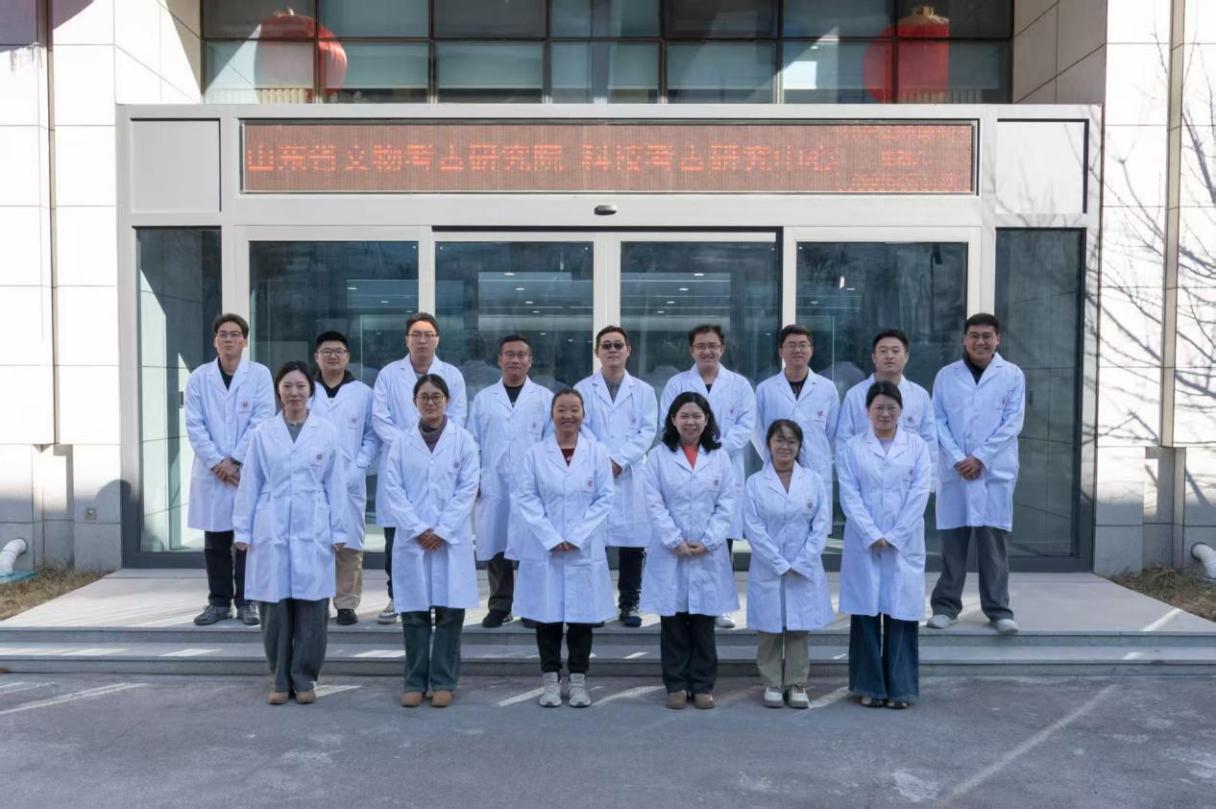
The laboratory is supported by the Shandong Institute of Cultural Relics and Archaeology, which houses an archaeological specimen repository with over 100,000 specimens and has established a standardized management system. In addition, field archaeological workstations have been established at Tengzhou Gangshang, Linzi and other sites, equipped with mobile laboratories to enhance the scientific level of field archaeology and improve on-site emergency conservation capacity. Furthermore, the upcoming Shandong Archaeology Museum will serve as a major platform for displaying the laboratory’s research outcomes and advancing public archaeology education.
From 2022 to 2025, the laboratory has focused on seven major research directions: the origin and development of Homo sapiens in East Asia, Early Neolithic investigations in the Haidai region, the process of prehistoric civilization in the Haidai region, archaeology of the Xia, Shang, and Western Zhou dynasties in the Haidai region, Qi and Lu archaeological cultures, archaeological research on the Shandong Yellow River Cultural Heritage Belt, and archaeological research on the Grand Canal Cultural Heritage Belt. Through systematic scientific archaeological research, the laboratory has provided important support for the archaeological excavations and research of the Shandong Institute of Cultural Relics and Archaeology.
The laboratory works with staff from other departments of the Shandong Institute of Cultural Relics and Archaeology to conduct scientific research. Since 2022, it has been granted 12 National Social Science Fund projects and 6 provincial/ministerial projects, and has published 31 academic papers in domestic and international journals, 15 of which are indexed in SCI, EI, CSCD, or CSSCI. As an important complement to archaeological research, laboratory staff assist in systematically organizing and continuously updating excavation data accumulated over the years. They have also achieved the digital transformation of archaeological materials through digital scanning, 3D modeling, and other technical methods. The laboratory has enhanced its communication influence through the official new media platform “Shandong Archaeology” and has held public archaeology activities to demonstrate the application of multidisciplinary technologies. Archaeological projects have been listed as the Top 10 New Archaeological Discoveries in China for three consecutive years. In the past five years, the laboratory has received three scientific and technological awards at the municipal/departmental level and above.
The laboratory actively promotes academic exchanges and cooperation at home and abroad, and has established stable collaborative relationships with universities including Peking University, Shandong University and University of Science and Technology Beijing, through which it jointly supervises graduate students and conducts collaborative research. It has also carried out international cooperation with institutions such as the Nara National Research Institute for Cultural Properties of Japan and the University of Reading of the United Kingdom in fields including East Asian Paleolithic archaeology and archaeometallurgy. The laboratory has achieved technological breakthroughs and integrated innovations in a number of areas, such as the technological system of archaeometallurgy, methodological innovations in Paleolithic archaeology, and technological integration of laboratory archaeology. It has established a multidisciplinary basic database system, actively advanced the standardized development of the sector and formulated internal standards including the Code of Practice for Archaeological Science Laboratories; some of these internal standards have been upgraded to provincial-level standards.
Looking ahead, the laboratory will develop a “1+3+N” functional system, consisting of: a “core platform” built upon the Archaeological Science Research Center of the Shandong Institute of Cultural Relics and Archaeology, which integrates multidisciplinary resources to form a comprehensive platform for scientific research, education, and public outreach; three “functional zones”, namely a research and experiment zone, a technology transfer zone, and an academic exchange zone; and “N collaborative nodes” that include joint field archaeology practice bases with universities and shared CT equipment and databases with relevant institutions, thereby forming an interdisciplinary collaborative network. The laboratory will strive to make greater contributions to the conservation, presentation, and utilization of cultural relics, the transformation and application of archaeological research outcomes, and the preservation and inheritance of outstanding traditional Chinese culture.
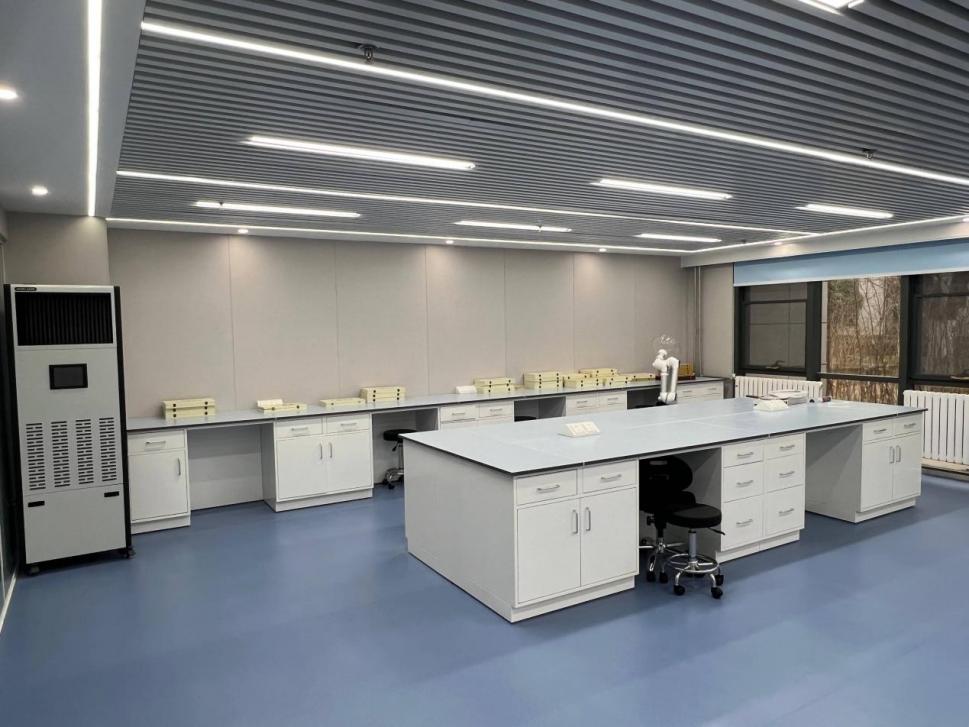
Human Evolution Laboratory (Human Evolution & Paleolithic Archaeology)
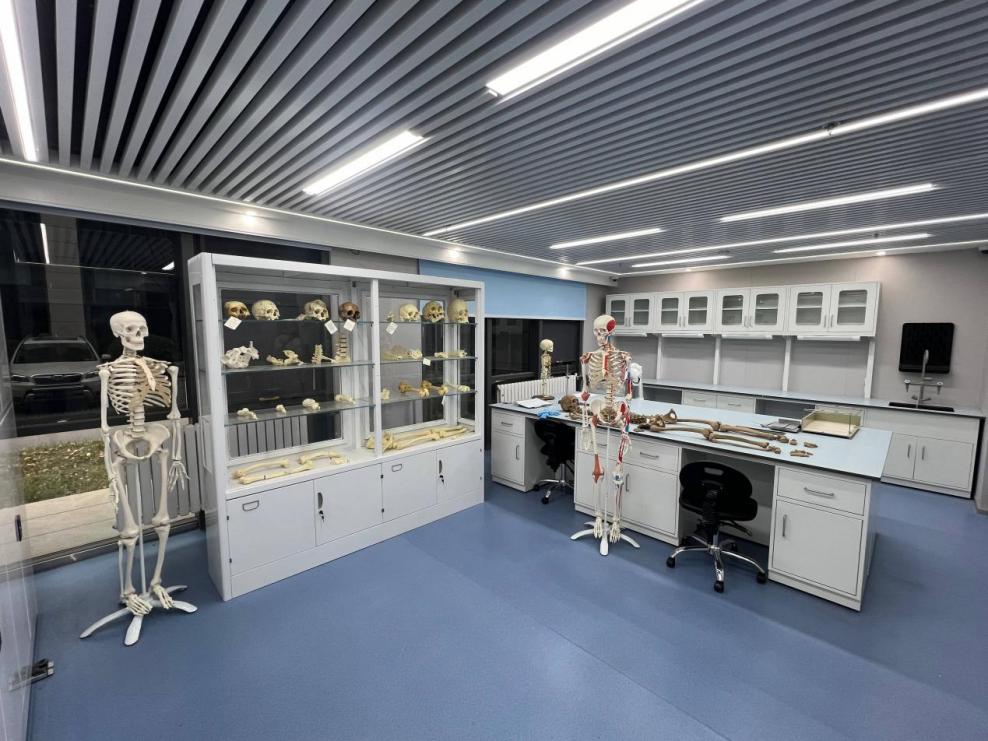
Physical Anthropology Laboratory
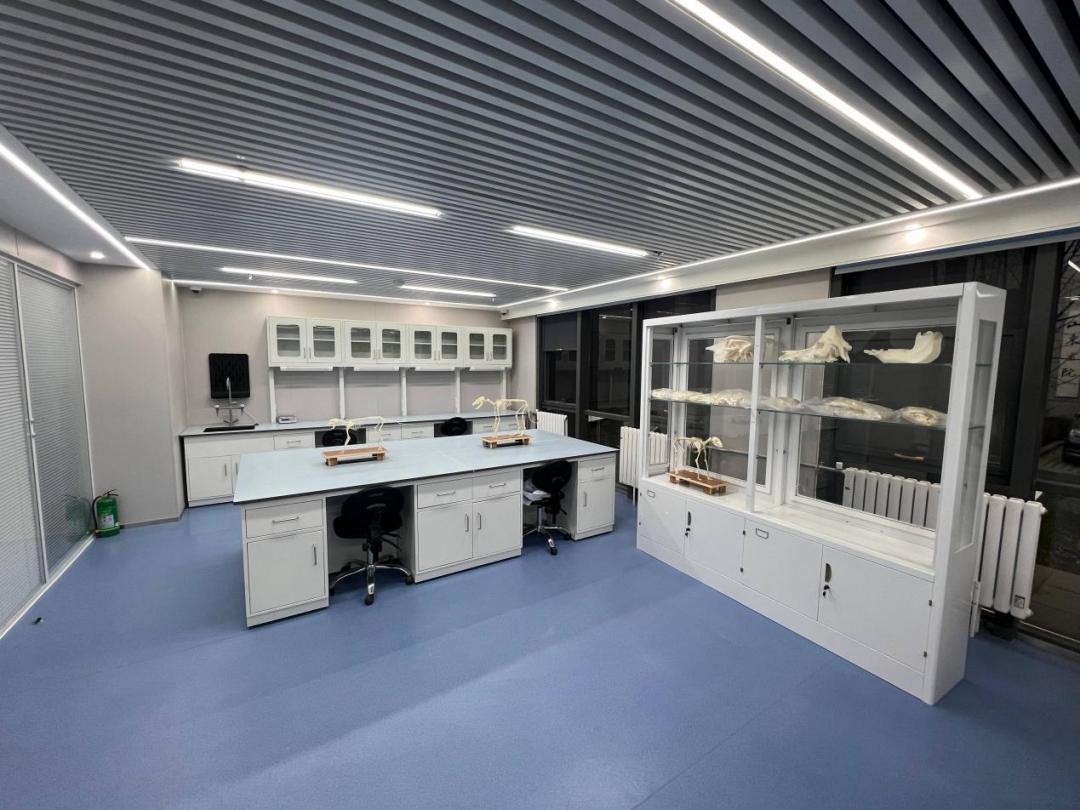
Zooarchaeology Laboratory
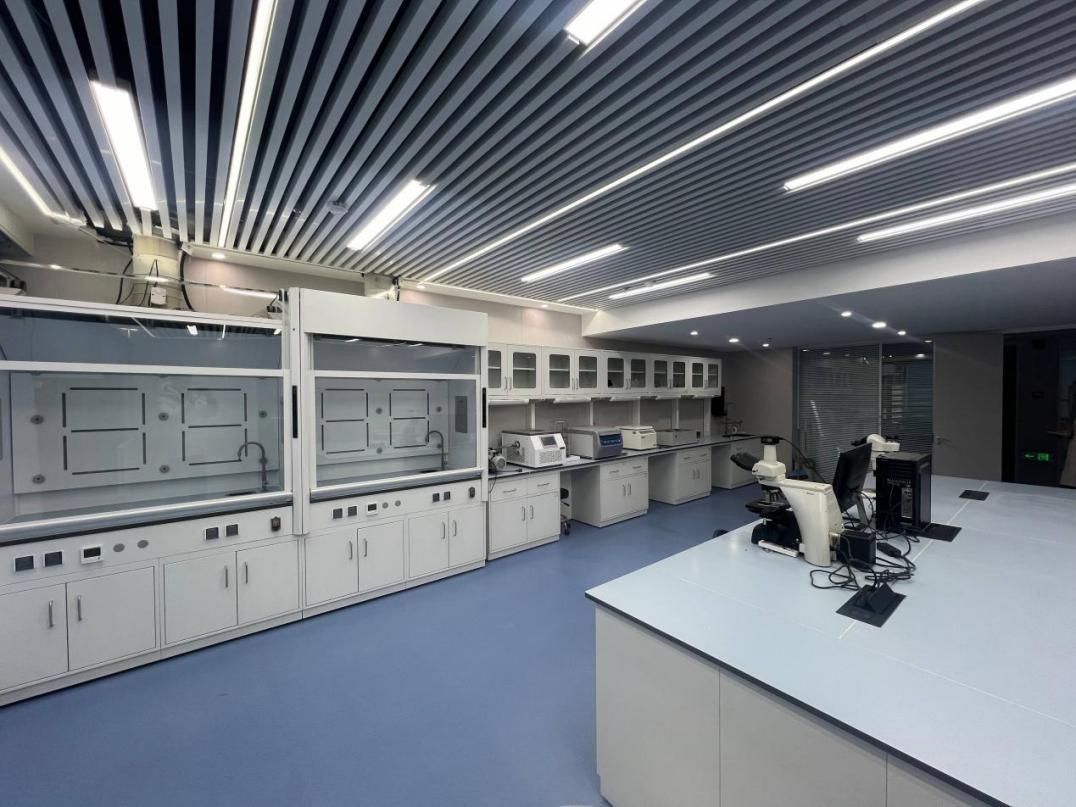
Archaeobotany Laboratory
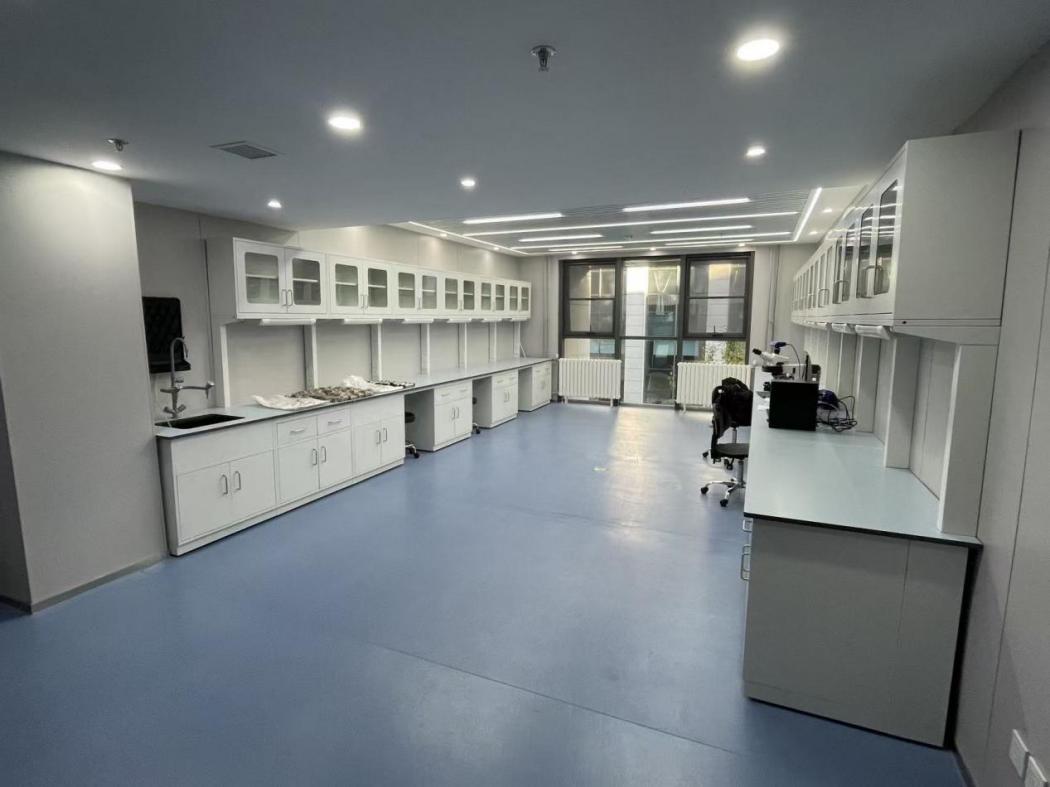
Geosciences and Environmental Archaeology Laboratory
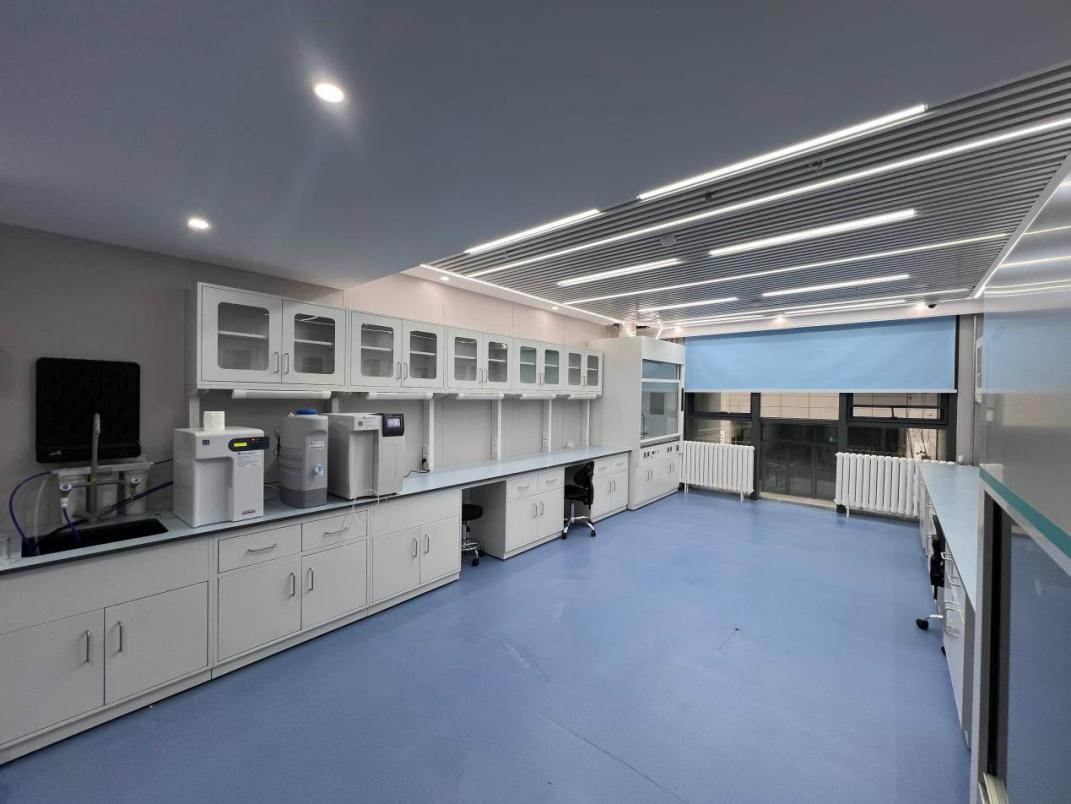
Isotope Analysis Laboratory
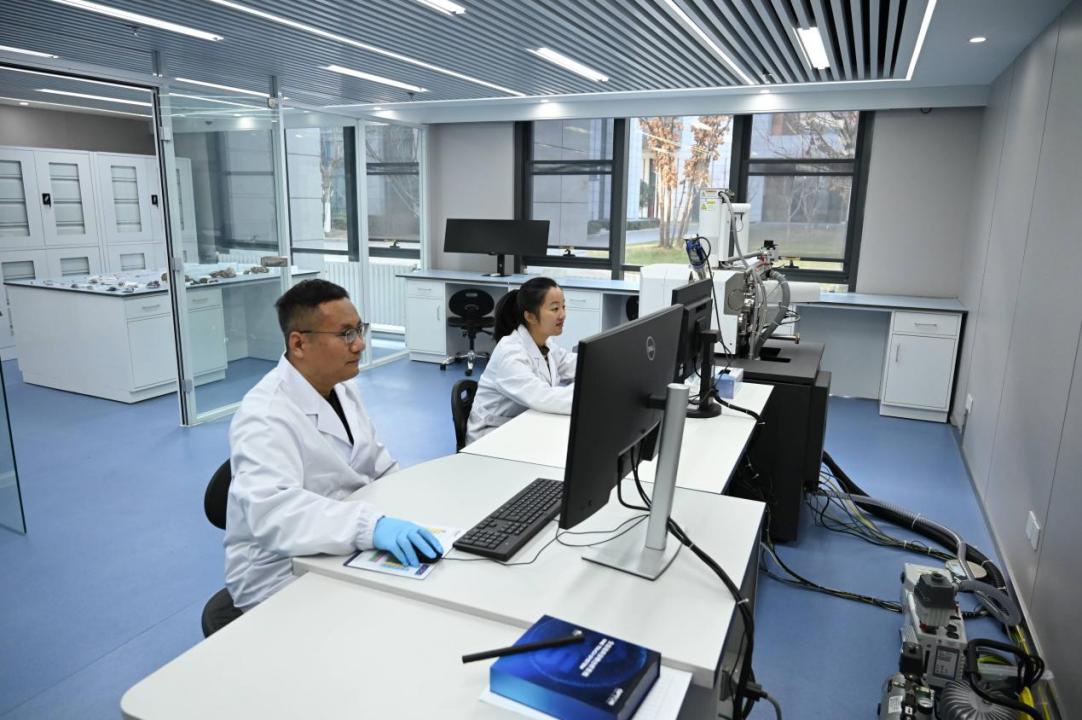
Archaeometallurgy Laboratory
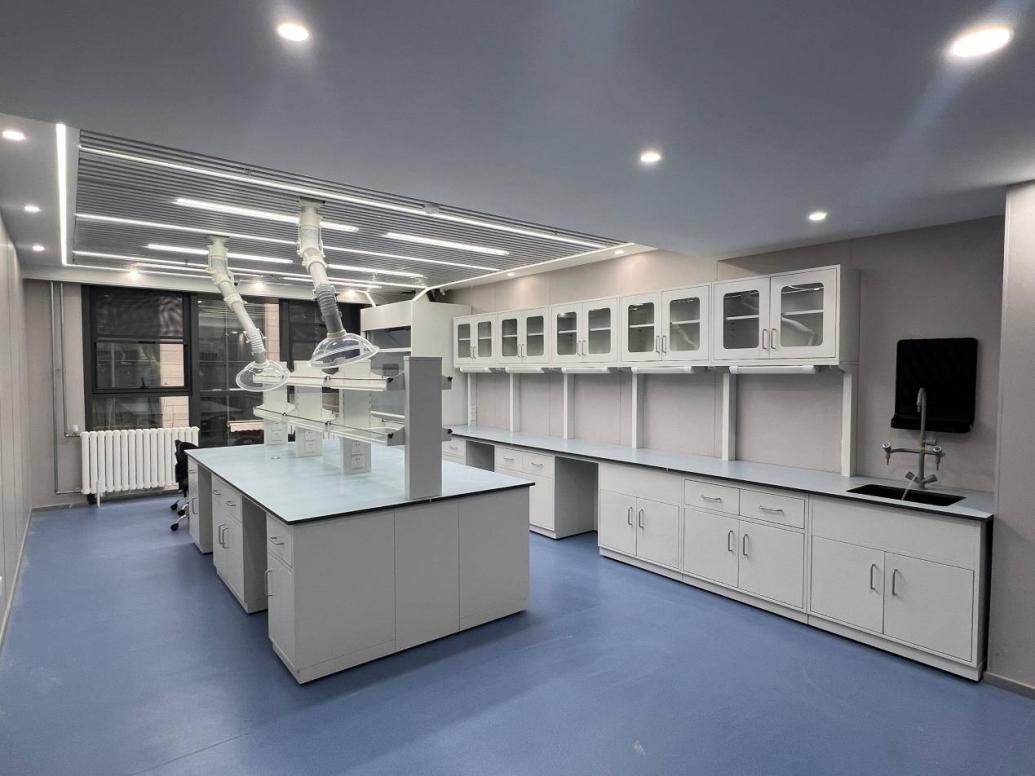
Chemical Analysis Laboratory
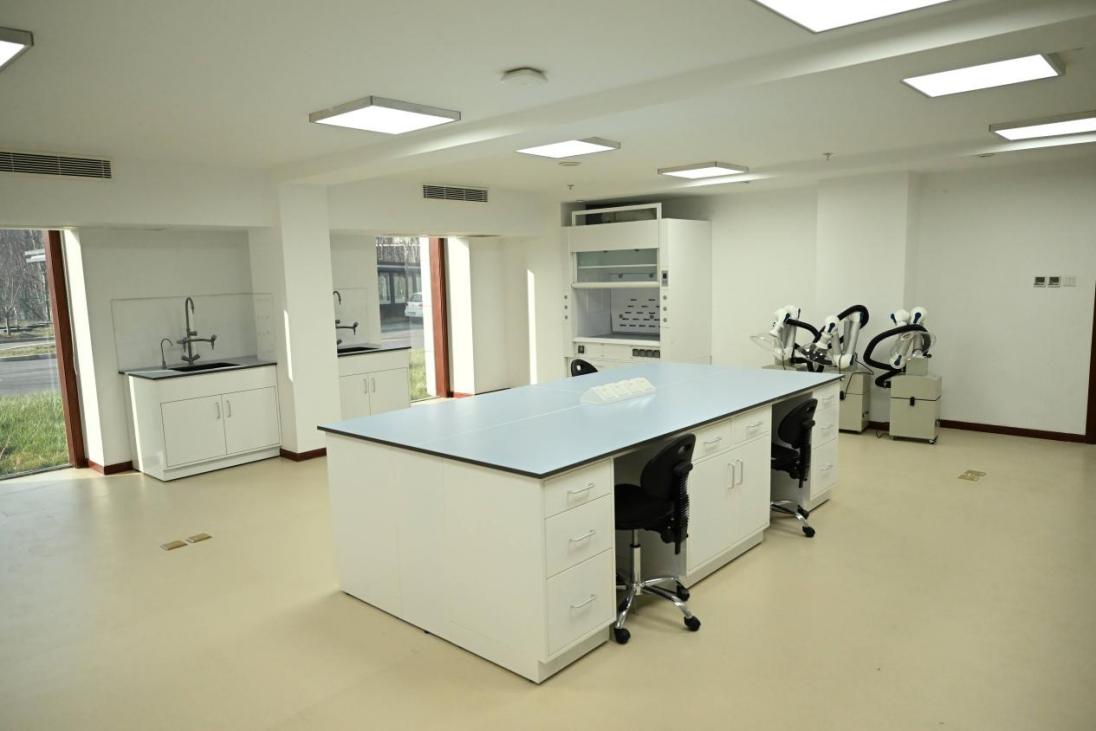
Fragile Remains Conservation Laboratory
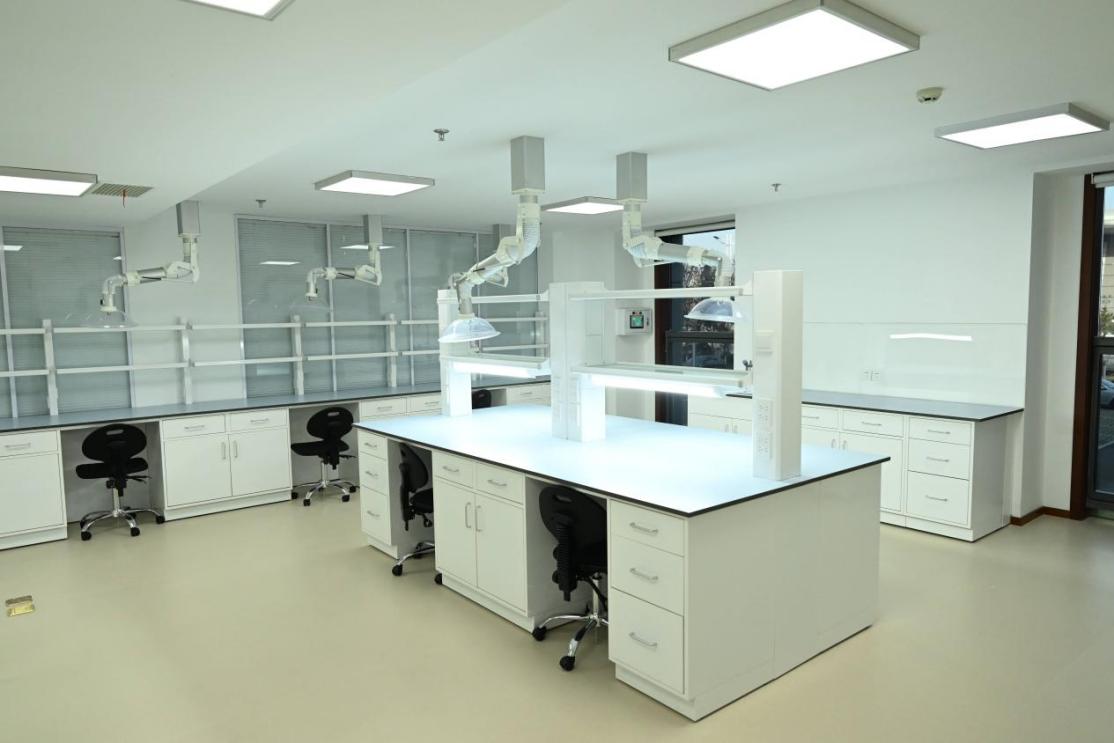
Comprehensive Cultural Relics Conservation Laboratory