Mutual Learning Among Civilizations, Joint Endeavors Hand in Hand ——Shandong Institute of Cultural Relics and Archaeology Engages in Archaeological Exchange and Cooperation in Serbia
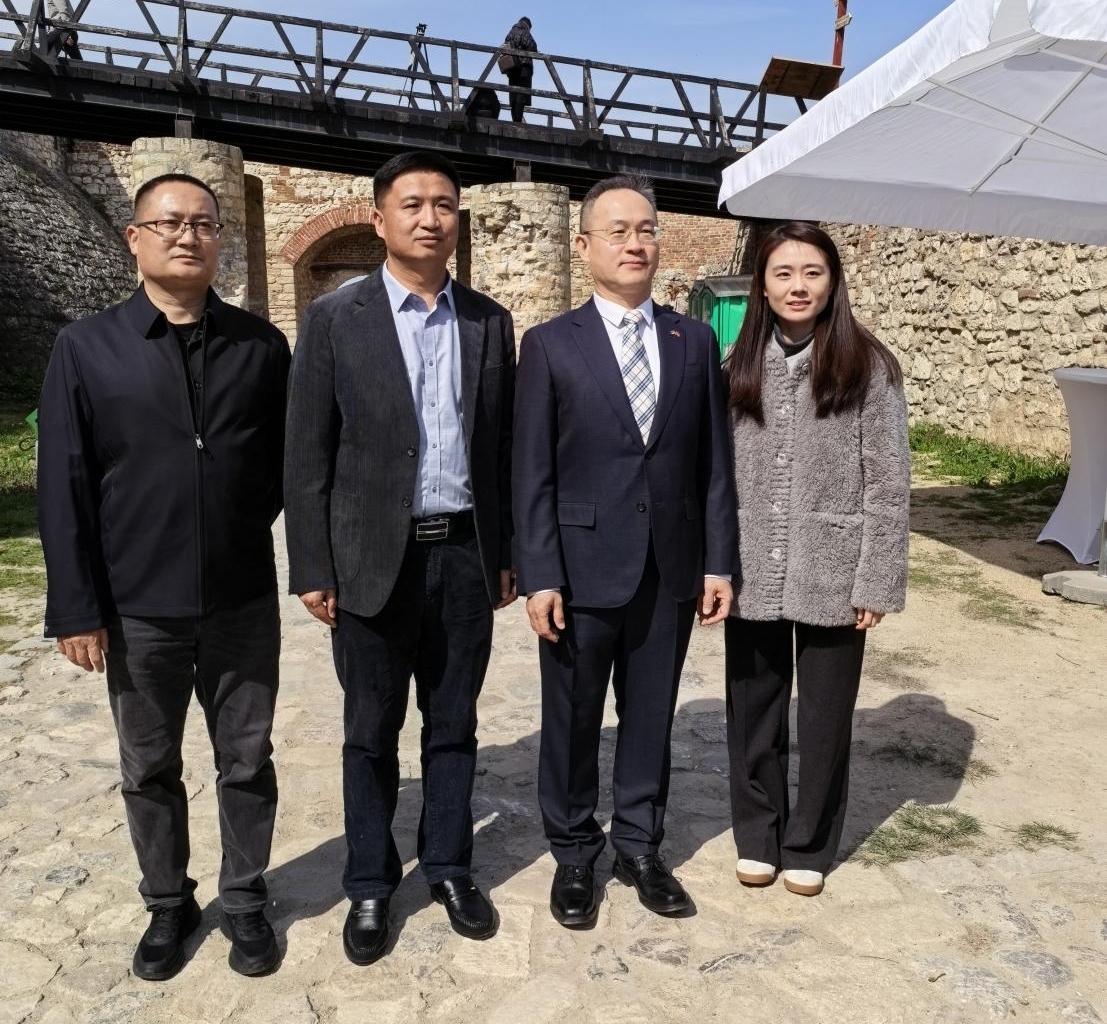
To further advance exchanges and mutual learning between Chinese and Serbian civilizations and deepen practical archaeological cooperation between the two countries, a three-member delegation from the Shandong Institute of Cultural Relics and Archaeology visited Serbia from March 24 to 26. The delegation was led by Kong Shengli, Deputy Party Secretary (presiding over the institute’s work), along with Zan Jinguo, Director of the Professional Affairs Office, and Yu Xiaoxue, Assistant Museologist. With the full coordination and support of the Chinese Cultural Center in Belgrade, the visit yielded a series of important outcomes, marking a new stage in China-Serbia archaeological cooperation.
Meeting with the Ambassador:Renewing Friendship and Charting a Blueprint for Cooperation
Upon arriving in Serbia, the delegation briefed H.E. Li Ming, Chinese Ambassador to Serbia, on the institute’s recent achievements in archaeological research, technological conservation of cultural relics, and international cooperation. They also elaborated on the main objectives and vision of the visit. Ambassador Li Ming spoke highly of the institute’s active efforts in advancing China-Serbia archaeological cooperation. He noted that the Embassy would continue to support exchanges between the two countries in the humanities and social sciences, and expressed his hope for more fruitful outcomes in archaeology, contributing to deeper mutual learning between Chinese and Serbian civilizations and stronger bilateral relations.
Joint Exhibition Held to Consolidate Achievements of China-Serbia Cultural Exchanges
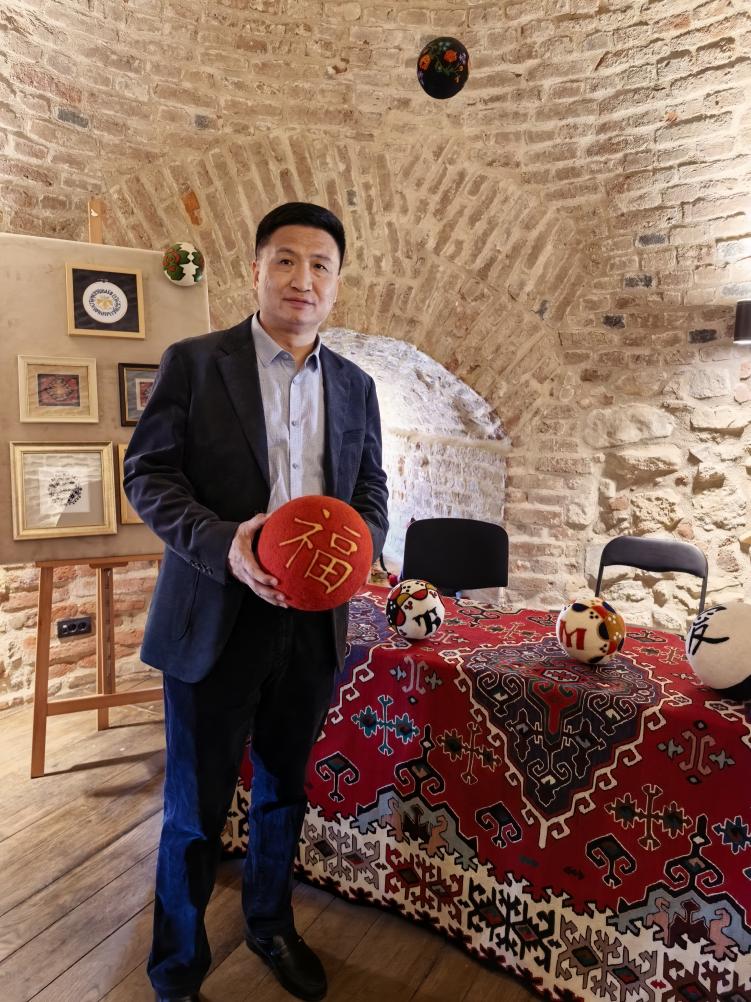
The delegation held a joint exhibition with the support of the China Cultural Center in Belgrade, further consolidating the long-standing friendship between China and Serbia and the achievements of bilateral cultural exchanges.
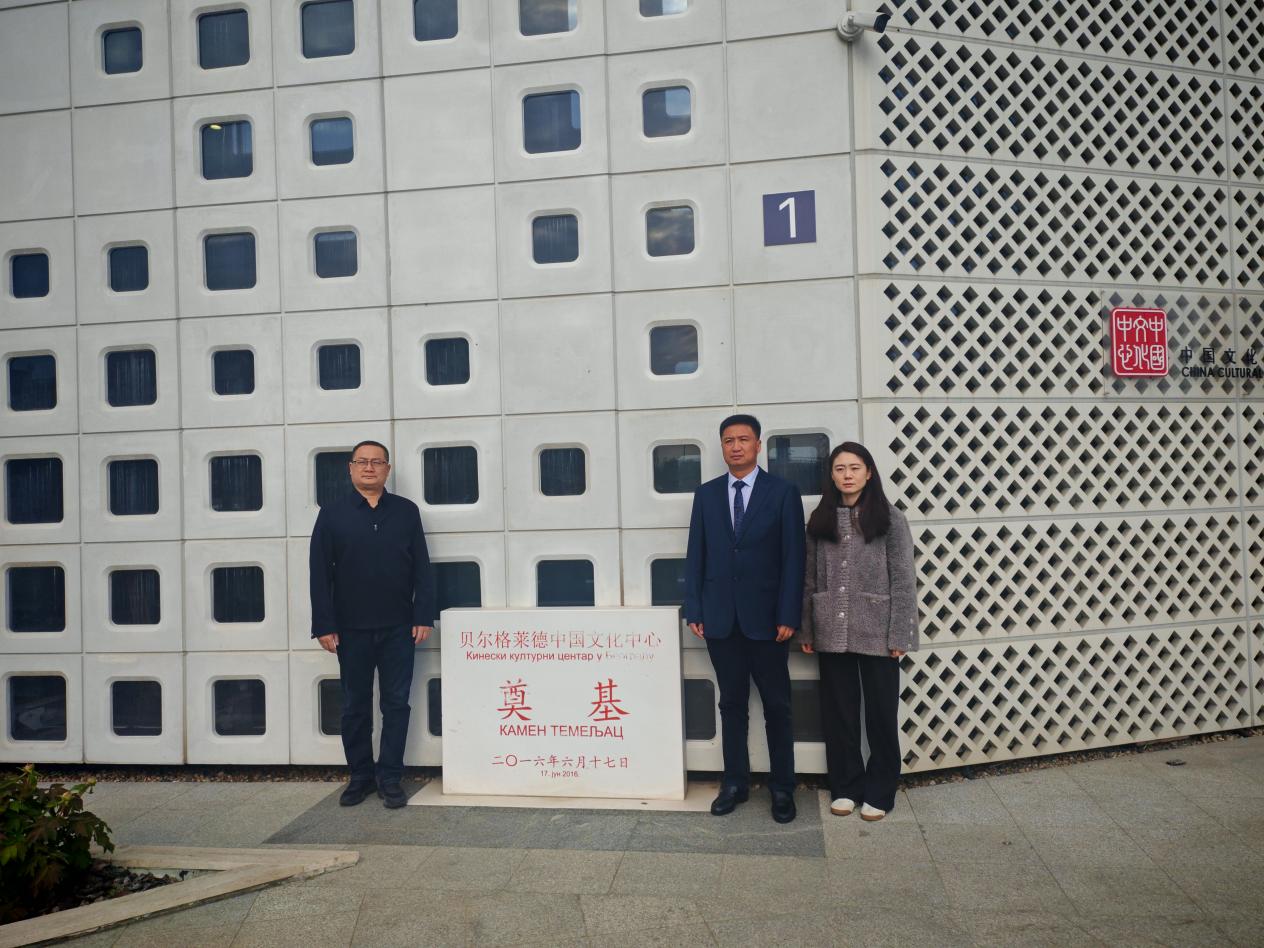
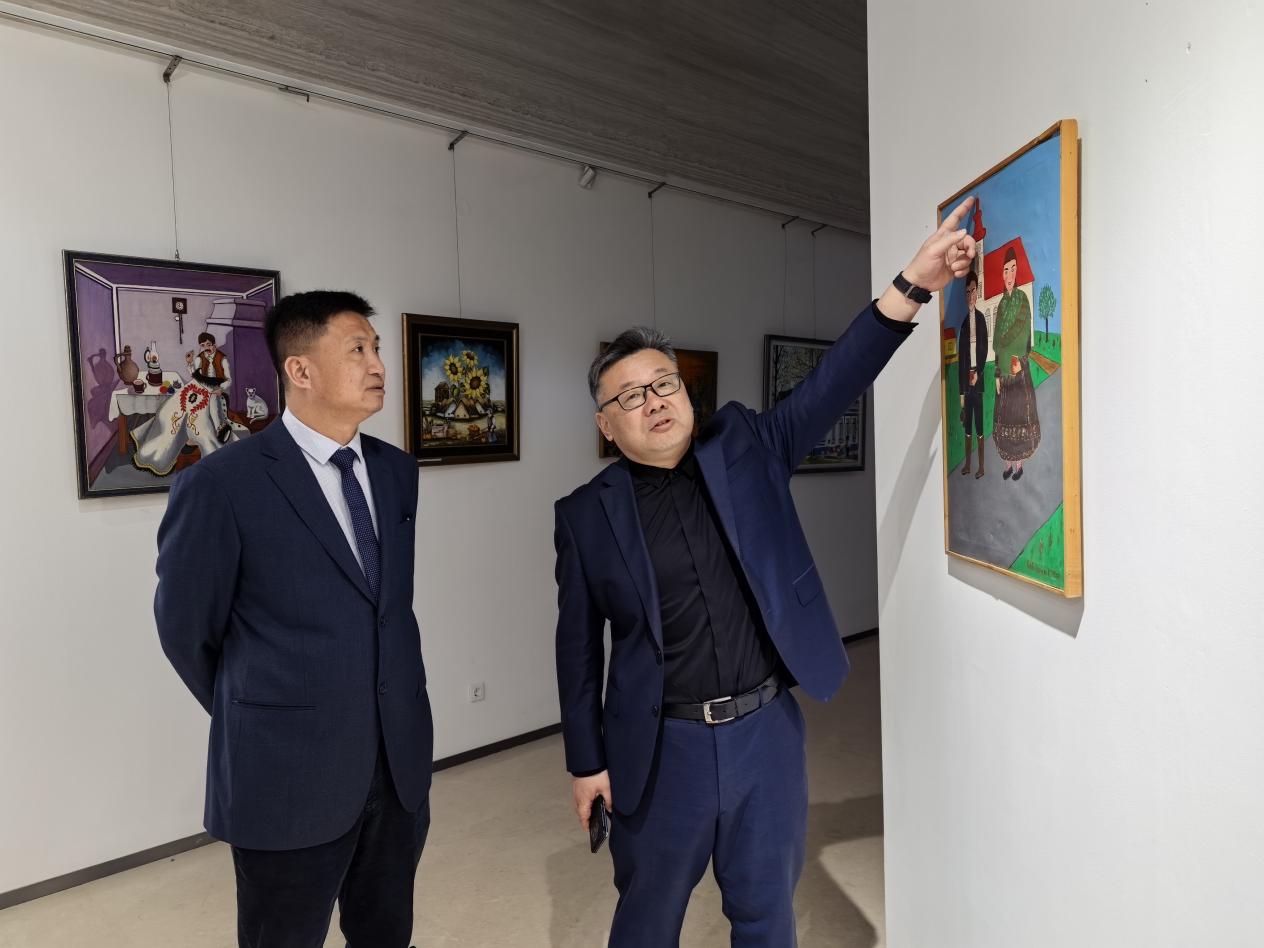
As a key platform for people-to-people and cultural exchanges between China and Serbia, the China Cultural Center has played an active role in promoting Chinese culture and enhancing mutual understanding between the two peoples. Accompanied by Director Zhang Aimin, the delegation gained an in-depth understanding of the center’s remarkable achievements in cultural exchanges, as well as in the promotion of cultural and artistic education. The delegation highly acknowledged the center’s efforts in consolidating the traditional friendship between China and Serbia and deepening bilateral cultural exchanges.
Visiting the Museum to Seek Joint Development and Mutual Learning
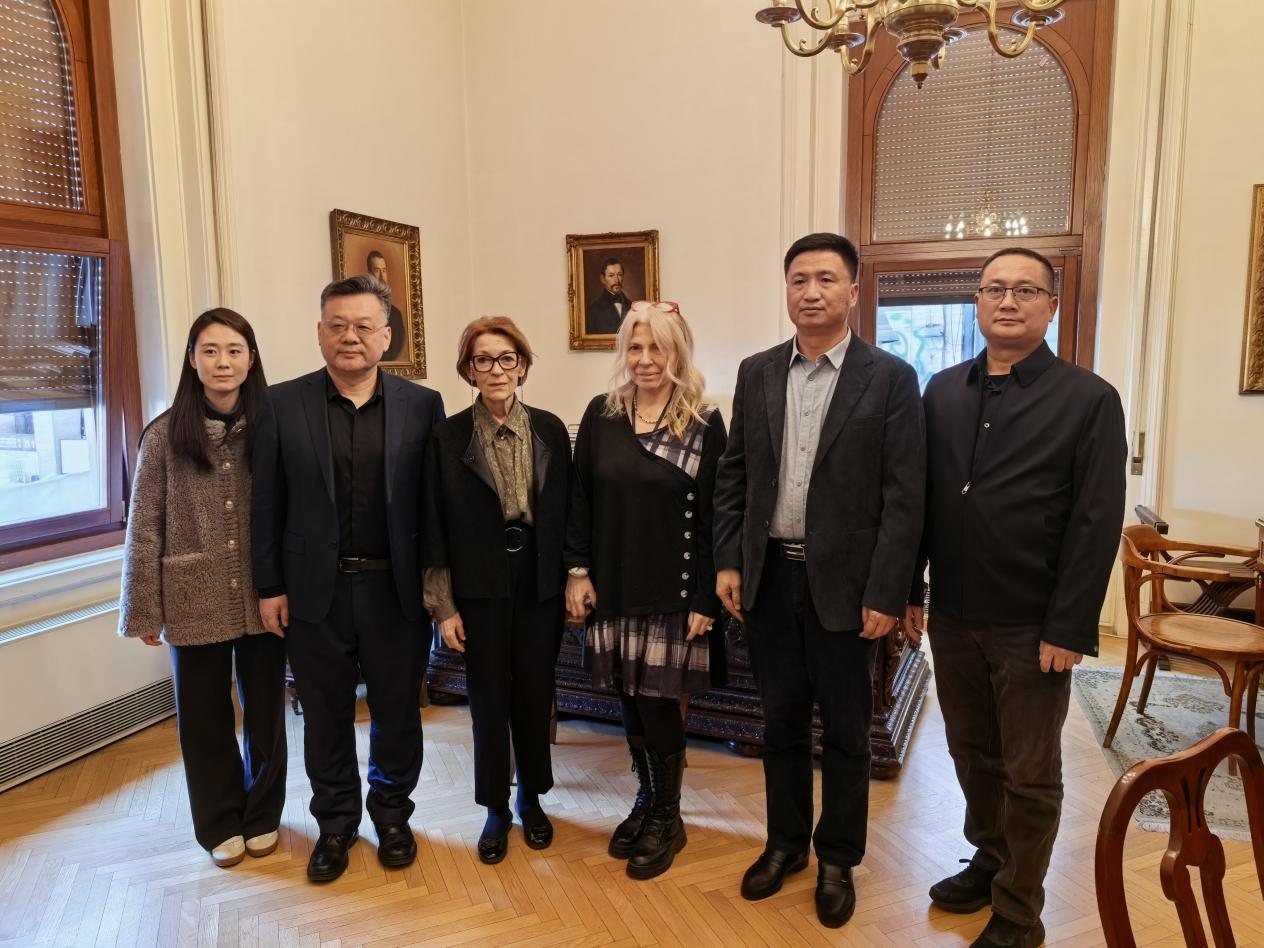
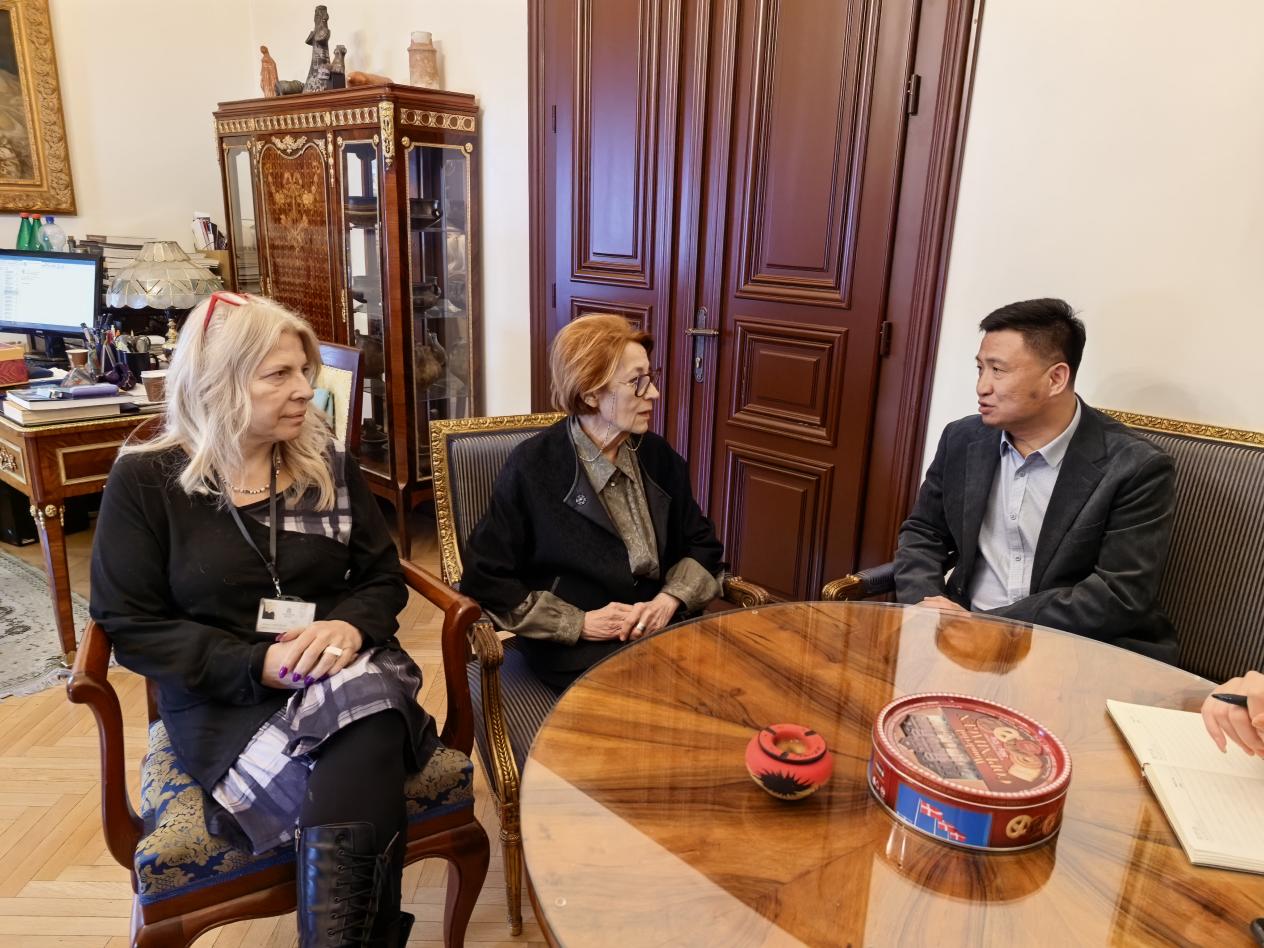
At the National Museum of Serbia, the delegation held in-depth talks with Ms. Bojana Borić Brešković, Director of the museum. The two sides exchanged views on the exhibition of archaeological achievements, joint displays of cultural relics and other topics, and reached preliminary consensus on further promoting cooperation in archaeological exhibitions. The extensive archaeological collections of the National Museum of Serbia complement the archaeological achievements attained by the institute in recent years. Moving forward, both sides will pursue closer collaboration in exhibition planning, academic exchanges and other areas, to jointly showcase the unique splendor of civilizations along the Silk Road.
Visiting the Confucius Institute to Forge an Academic Bridge
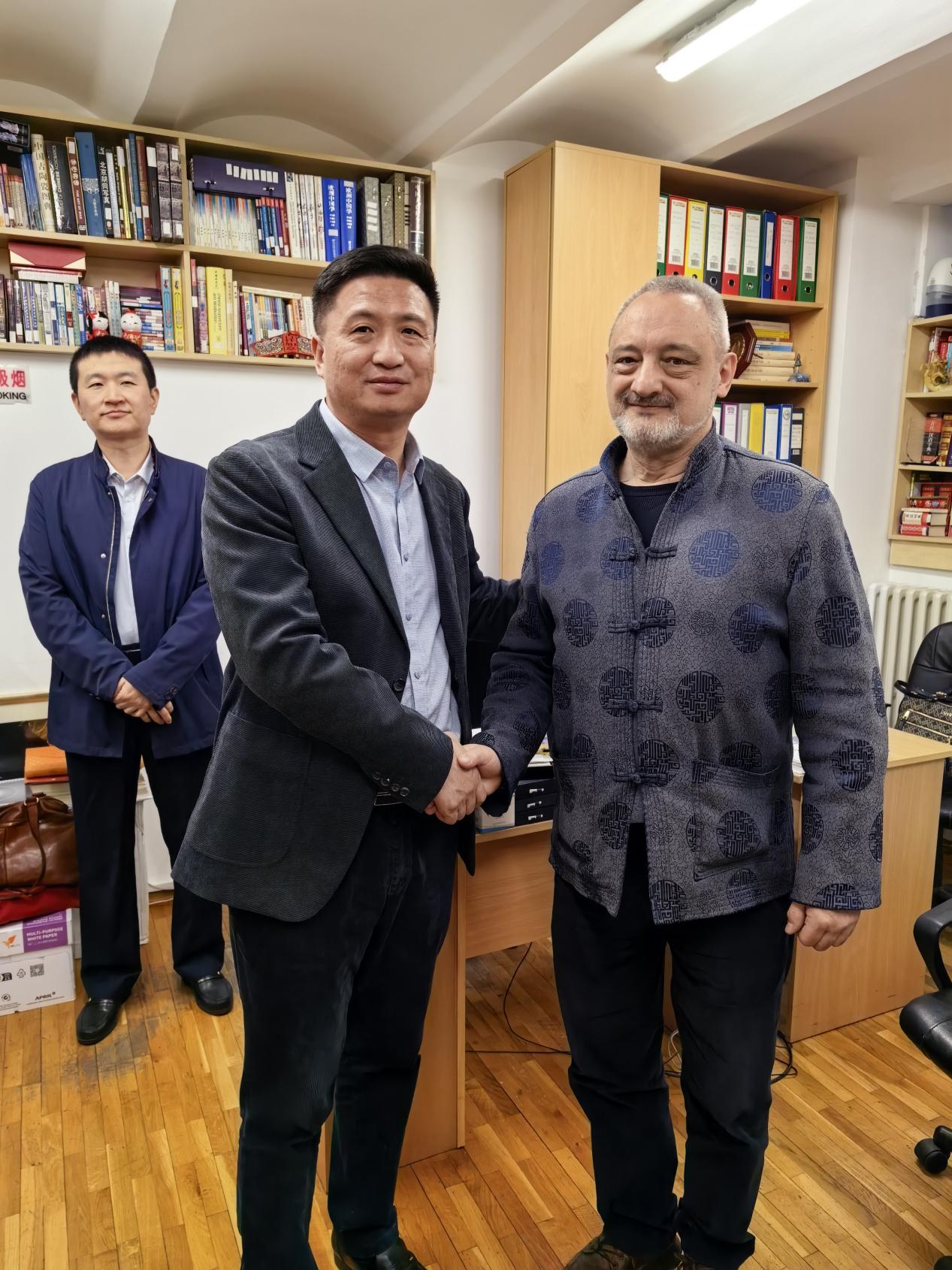
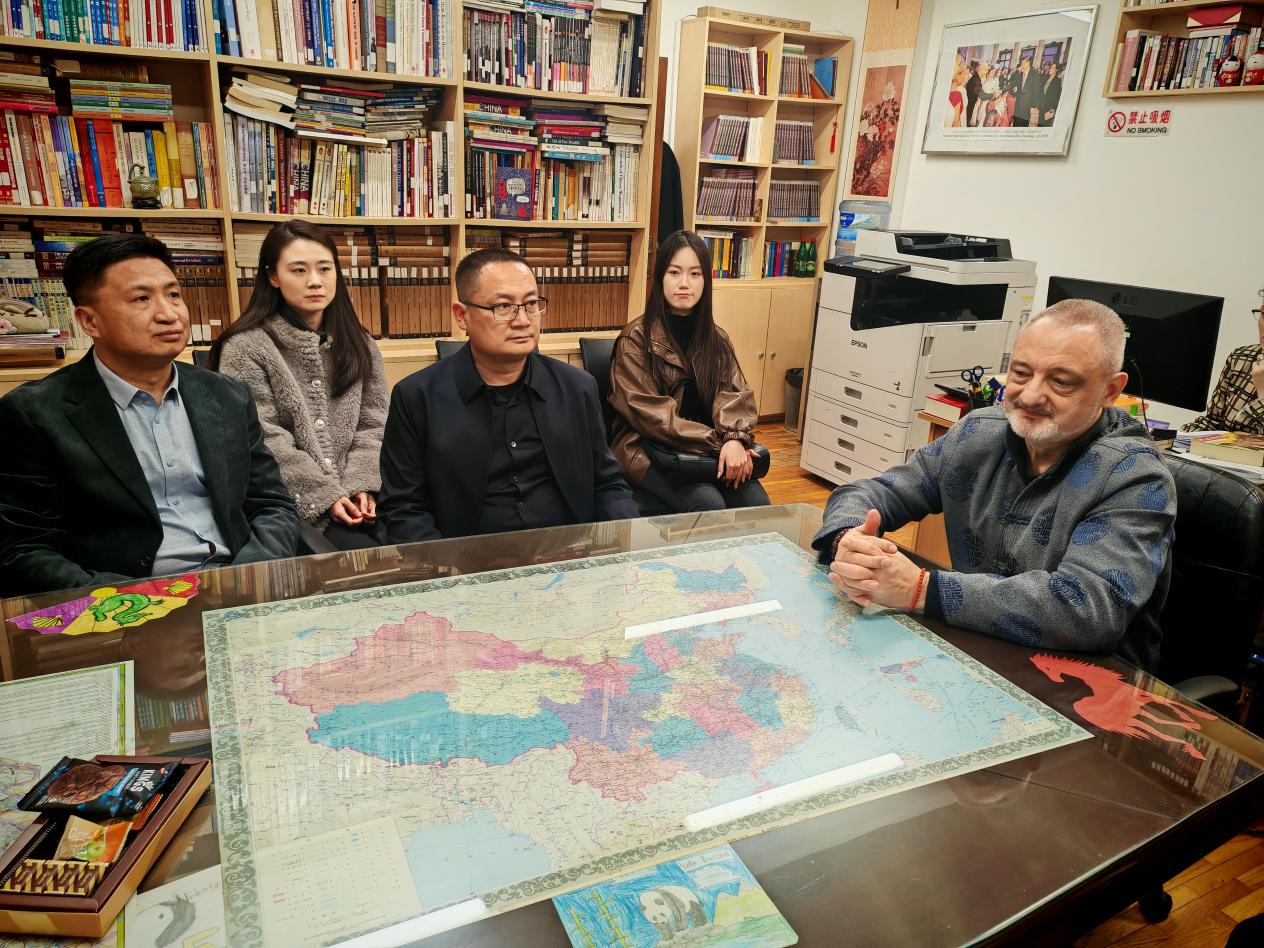
The delegation visited the Confucius Institute at the University of Belgrade and held talks with its Chinese Director Wu Peng and Serbian Director Radosav Pušić. The two sides conducted in-depth exchanges on cooperation in archaeology, cultural heritage conservation and other related academic fields. As an important platform for China-Serbia cultural exchanges, the Confucius Institute will serve as a bridge for sharing academic resources, jointly cultivating talents and organizing academic conferences, facilitating deeper interaction and integration between the archaeological communities of the two countries.
Surveying Archaeological Sites for Academic Exchanges
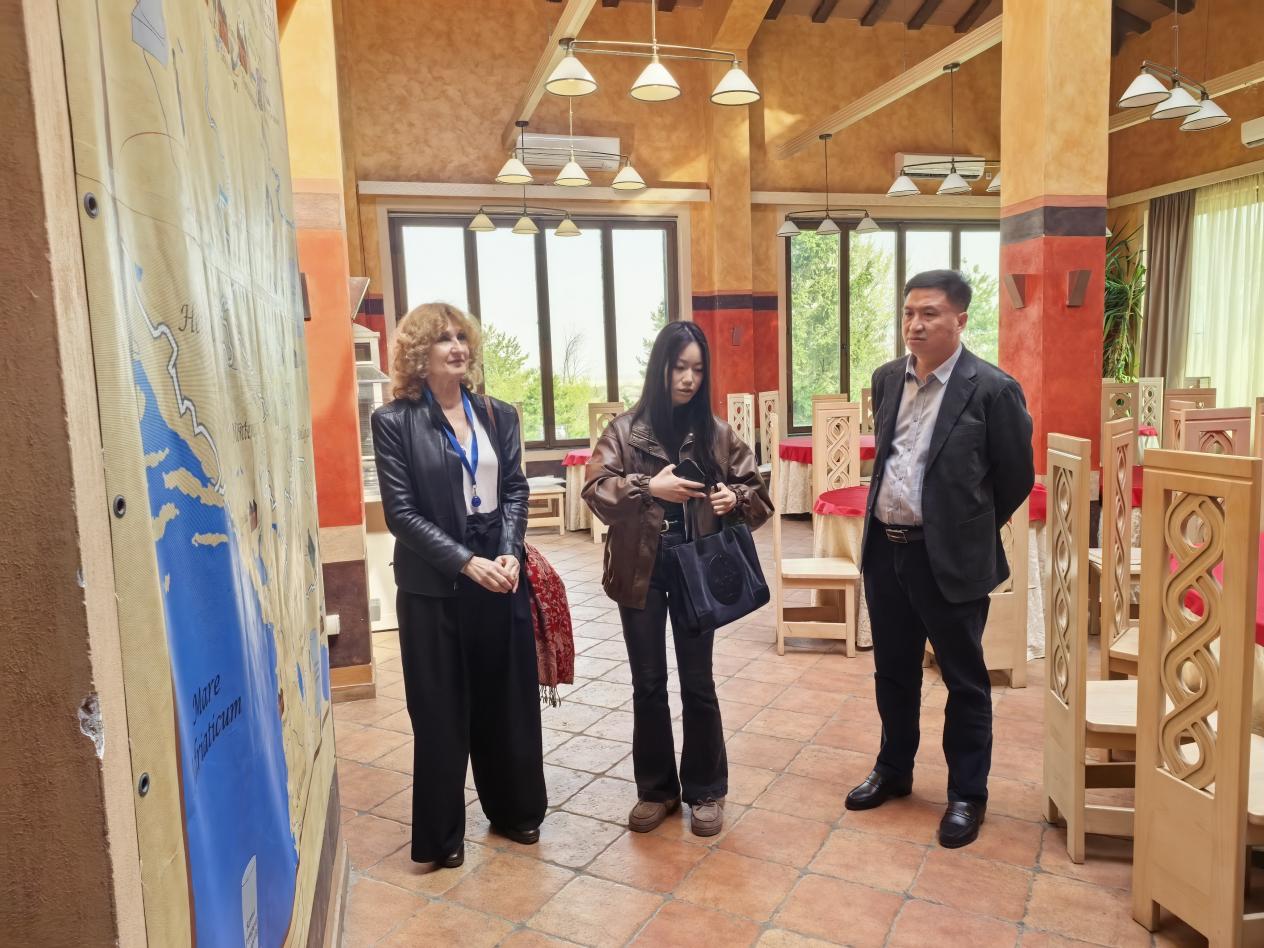
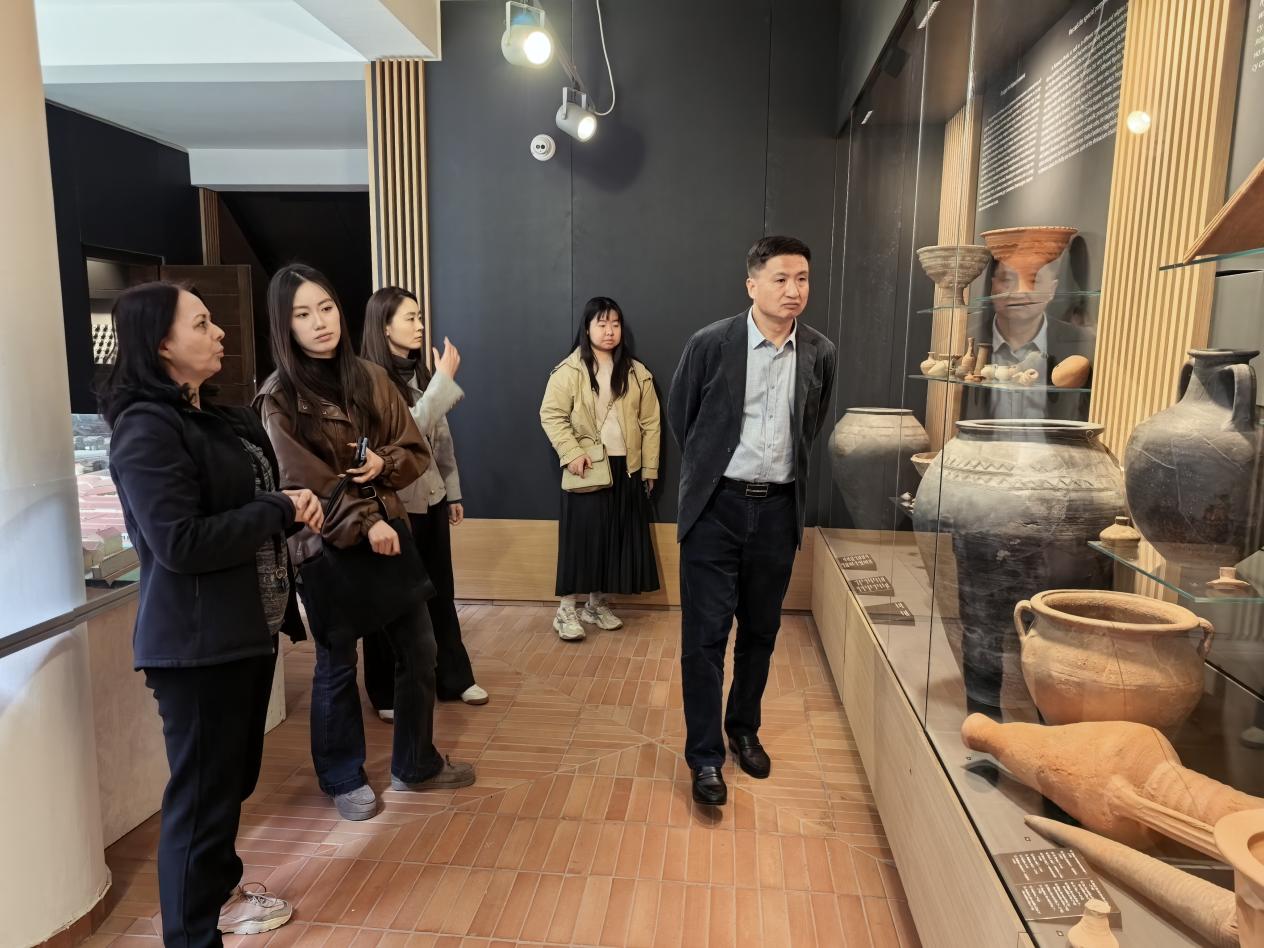
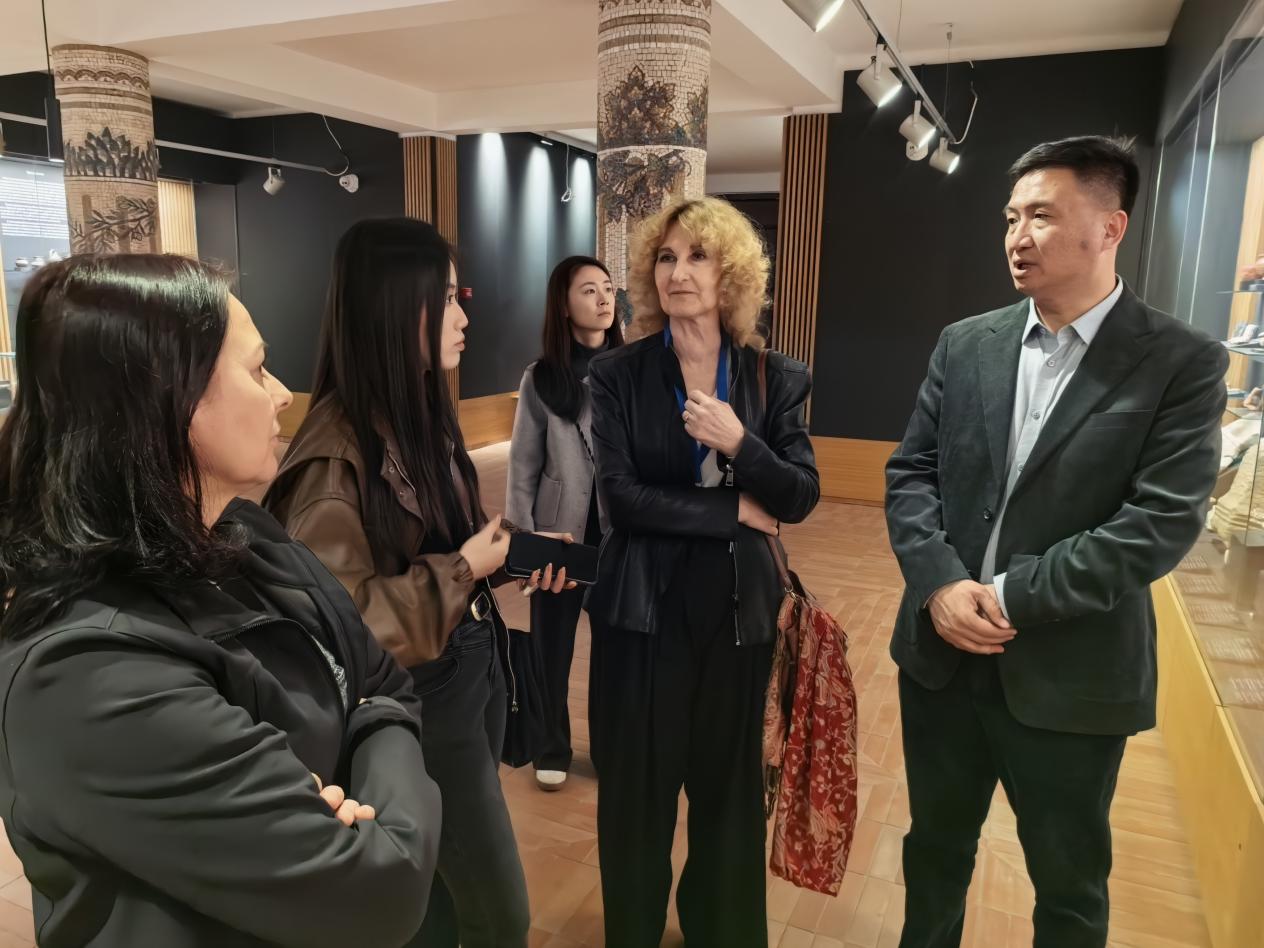
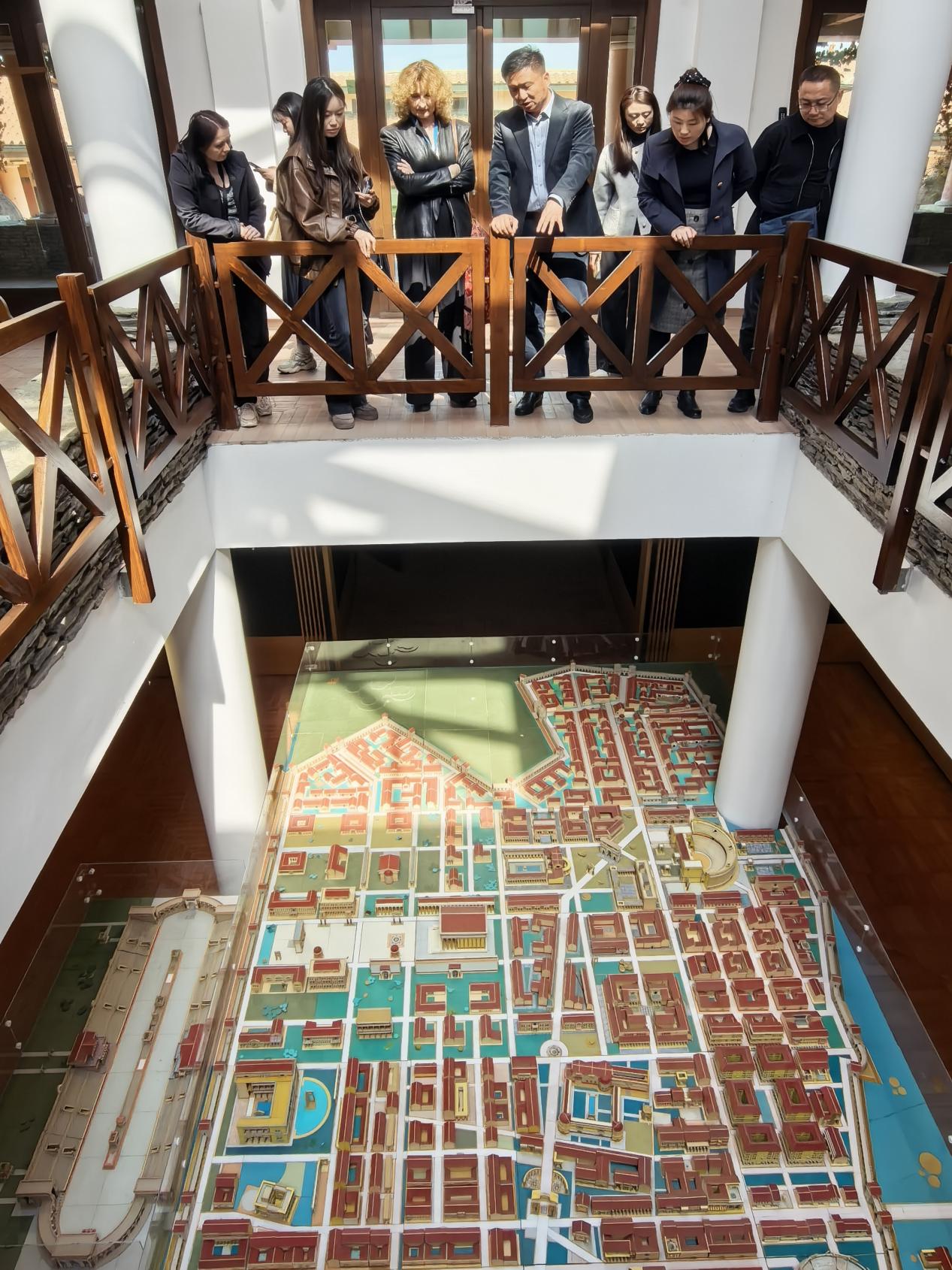
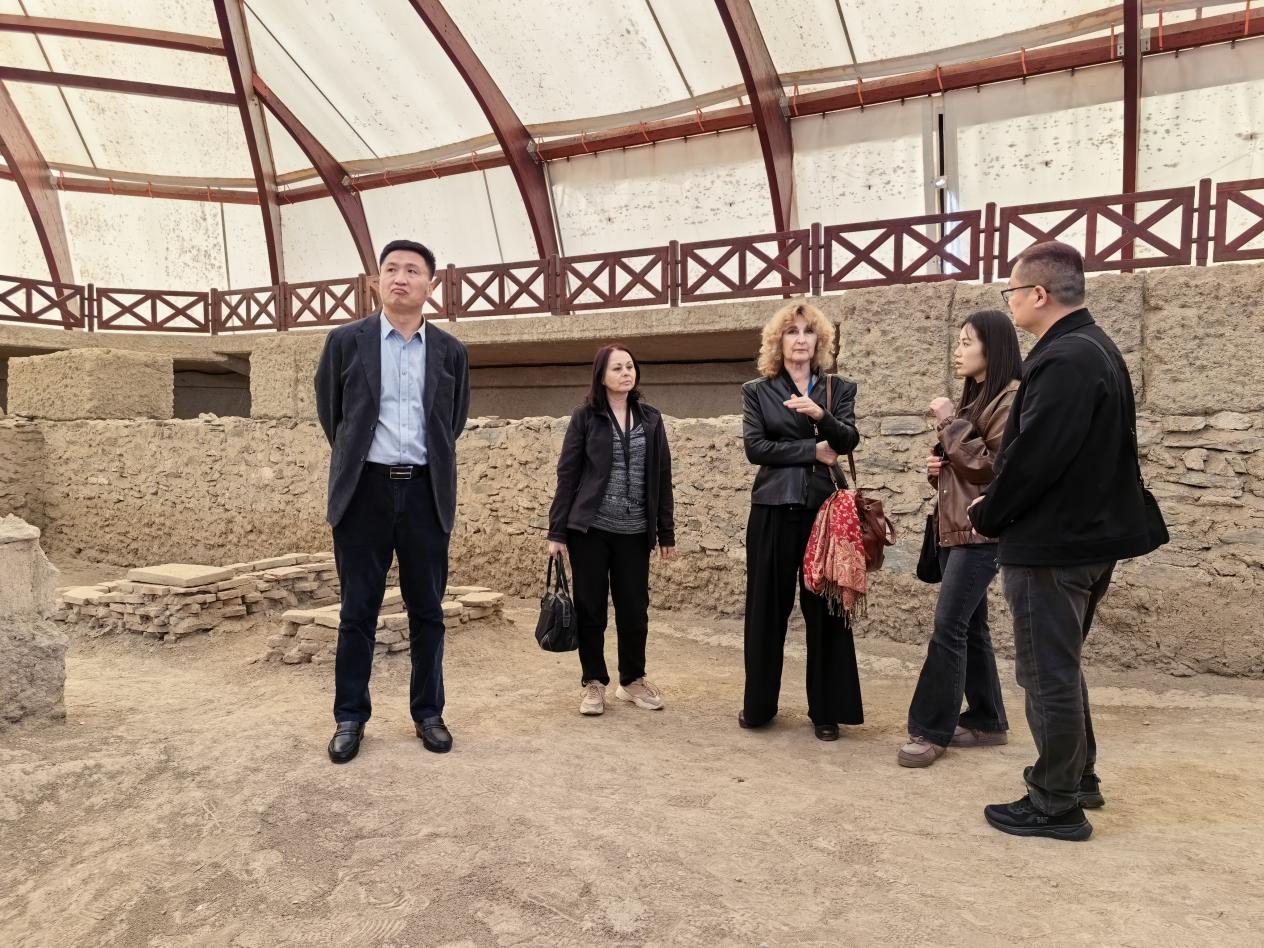
The delegation conducted a field study at the Viminacium Archaeological Park in Požarevac. Accompanied by the project director, the delegation visited the site museum and the archaeological excavation site, and exchanged views on the process and findings of the archaeological excavations. Situated at the confluence of the Mlava and Danube rivers, the site was a major military stronghold of the ancient Roman period. Archaeological discoveries, including the amphitheater, monumental structures, thermae, and sophisticated water supply and drainage systems, fully demonstrate the advanced military defense philosophy and outstanding engineering wisdom of ancient Rome.
Signing Cooperation Agreement to Usher in a New Chapter in Archaeological Cooperation
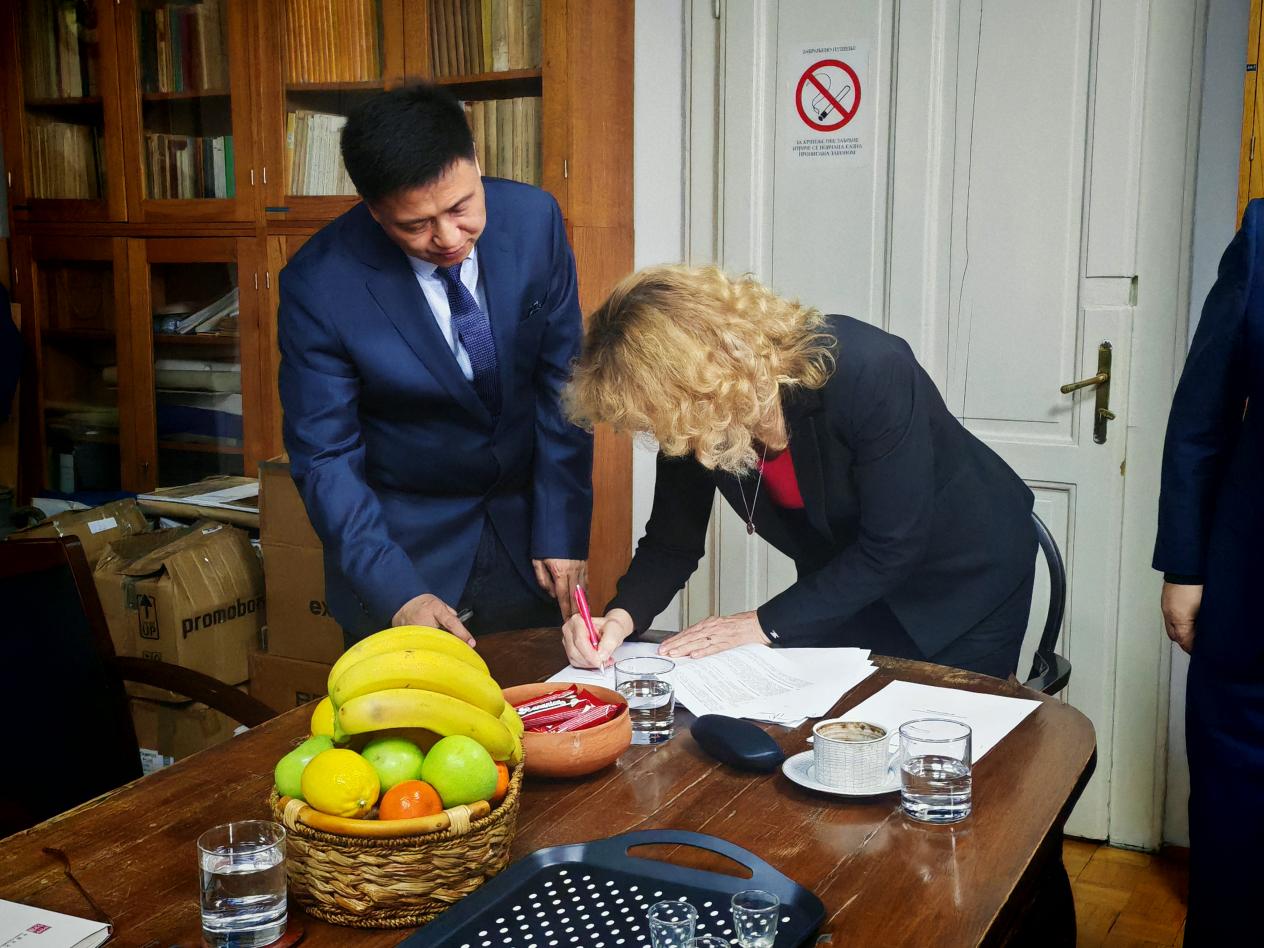
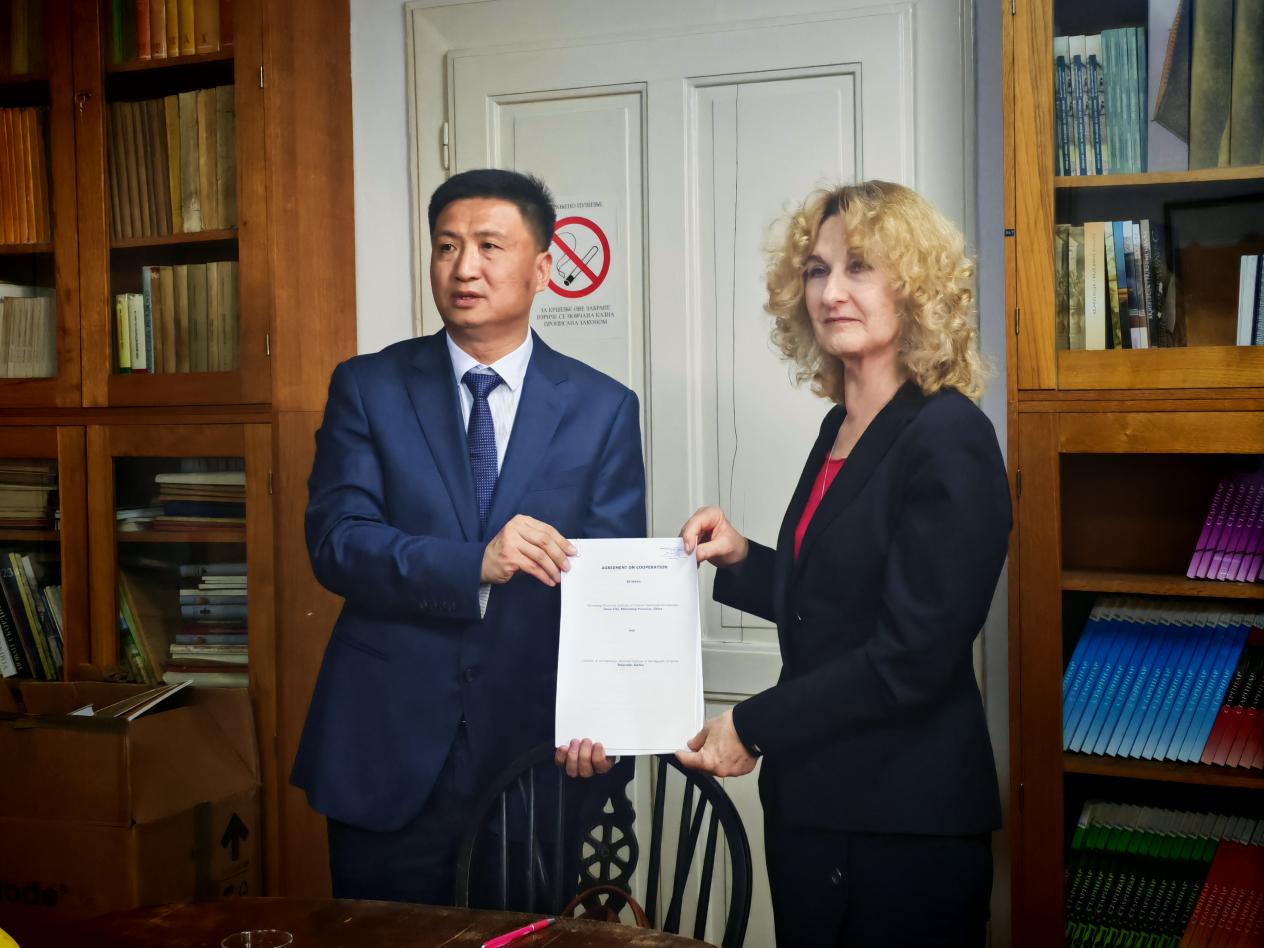
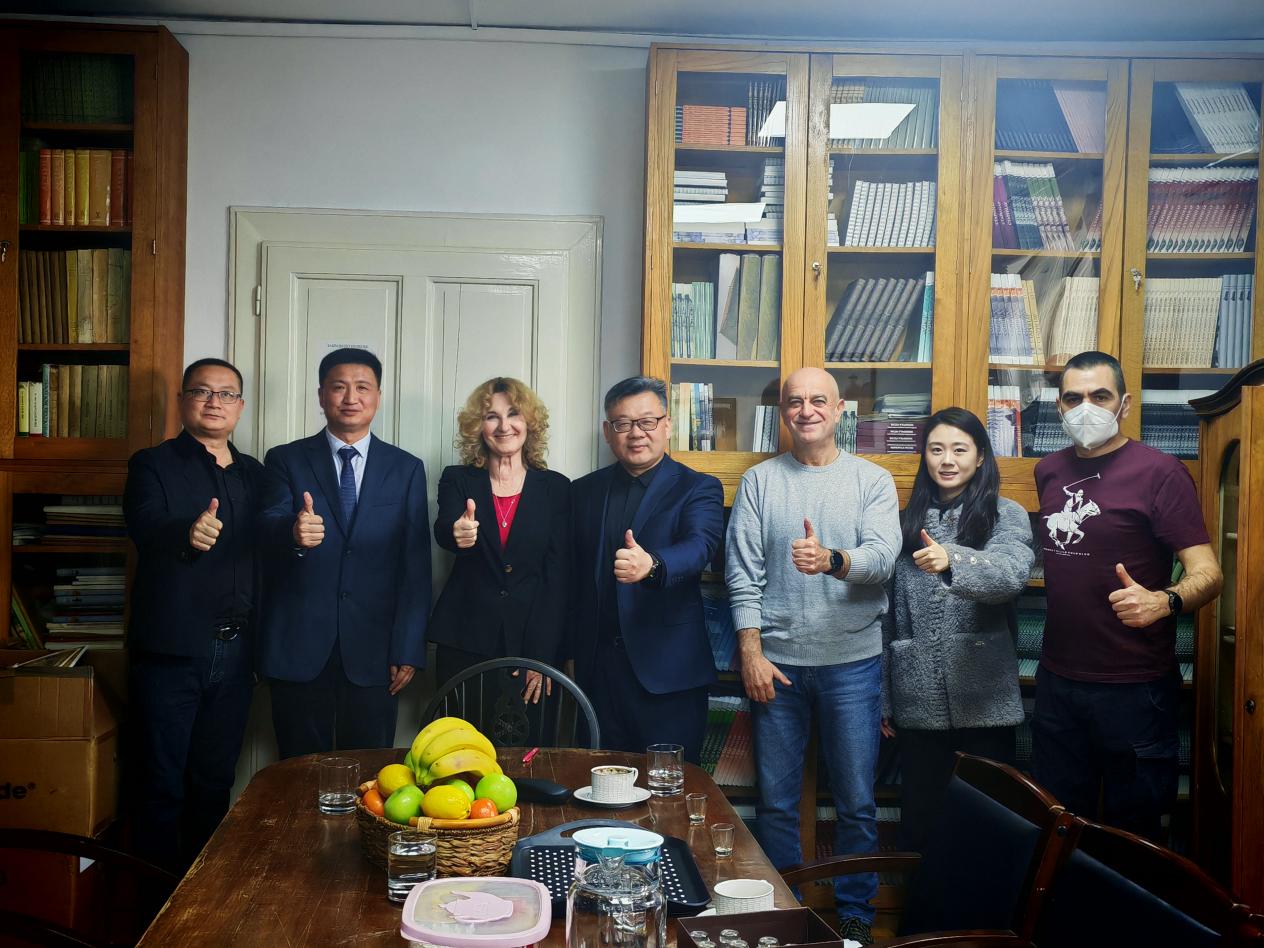
One of the key achievements of this exchange is the conclusion of a Framework Cooperation Agreement between the Shandong Institute of Cultural Relics and Archaeology and the Archaeological Institute of Serbia. Witnessed by Kong Shengli, Deputy Party Secretary (presiding over the institute’s work) of the Shandong Institute of Cultural Relics and Archaeology, and Dr. Snežana Golubović, Director of the Archaeological Institute of Serbia, the two sides agreed on the direction of future cooperation. Under the agreement, both parties will conduct substantive cooperation in areas including field archaeological excavation, cultural heritage conservation technology, and laboratory analysis and research, learning from each other and pursuing joint progress. On this basis, the two sides held in-depth discussions on detailed cooperation arrangements for the next stage. The two sides confirmed that Serbian archaeological scholars would be invited to China in July to attend a zooarchaeology forum, and the Serbian side, for its part, invited Chinese archaeologists to participate in relevant academic activities in Serbia. Director Golubović spoke highly of the Shandong Institute’s expertise in archaeology and expressed great expectations for future cooperation. The conclusion of the agreement marks a new stage of institutionalized and regular cooperation between the two sides in archaeology.
Site Visit to Archaeological Projects of Chinese Enterprises to Boost Cross-Sector Coordination
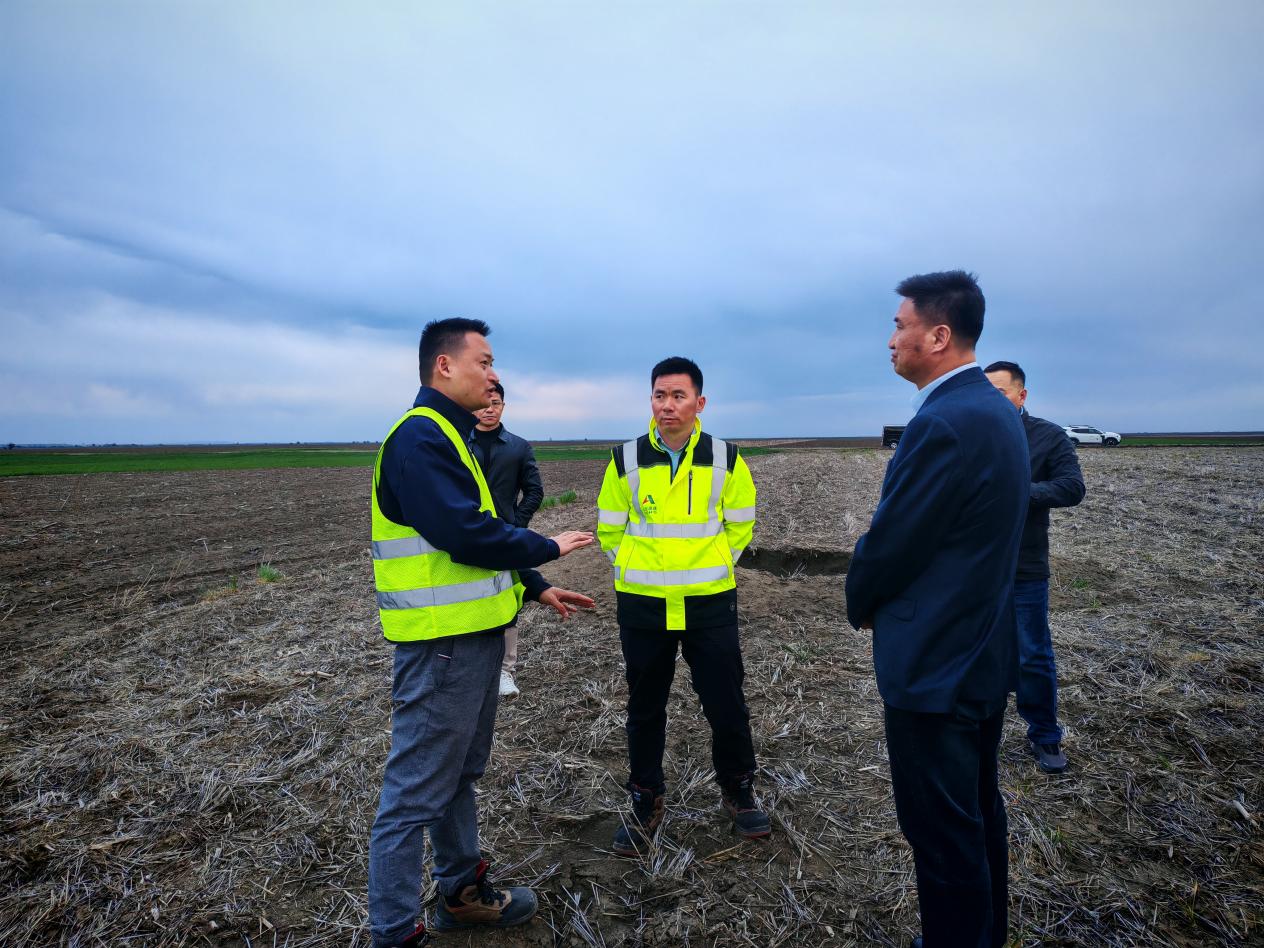
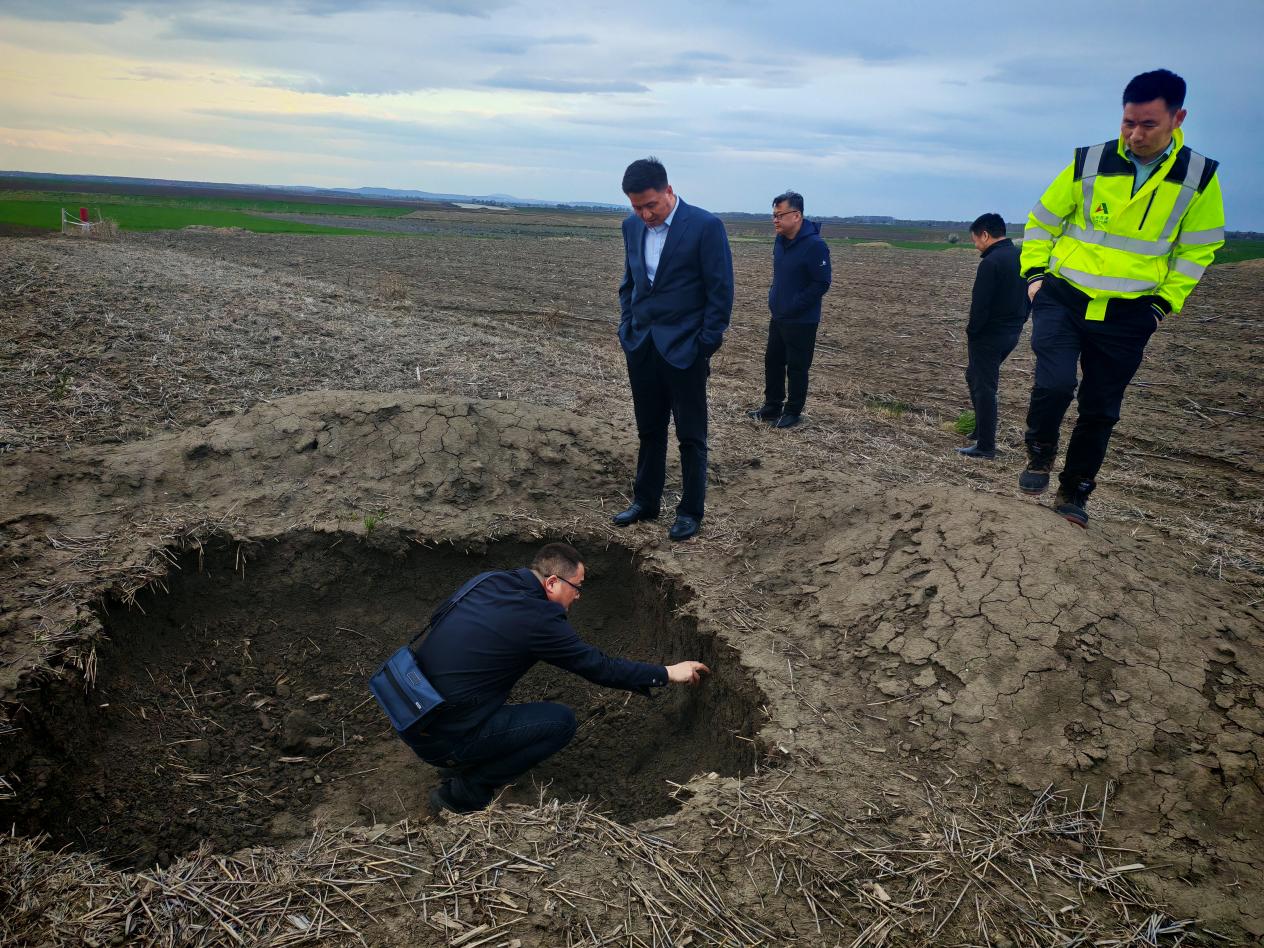
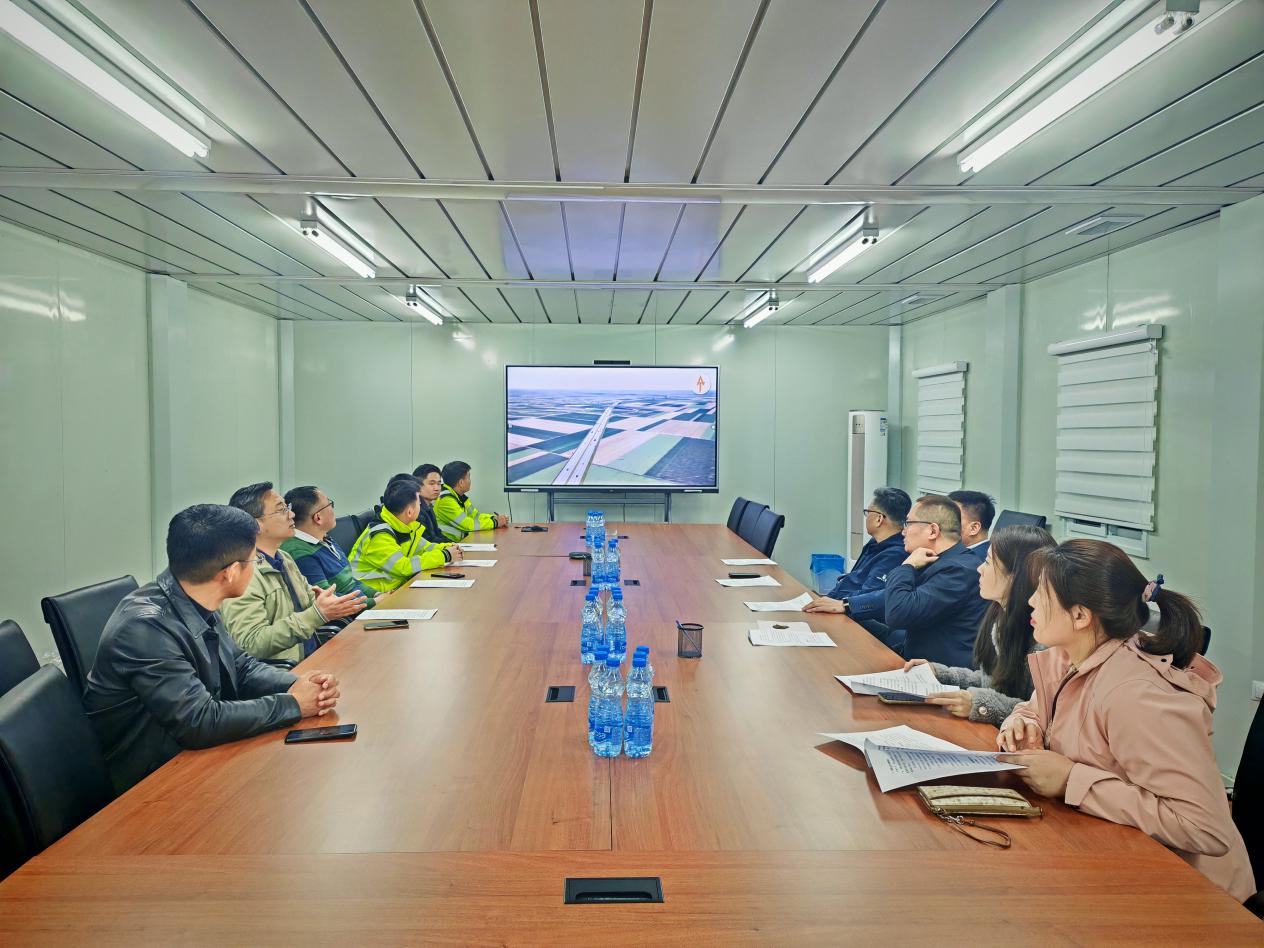
During its stay in Serbia, the delegation also conducted an on-site survey at the archaeological site related to the Shandong Hi-Speed Group’s project in Zrenjanin. The delegation was briefed on the progress of archaeological work, learned about the implementation of pre-construction archaeological assessments for overseas projects undertaken by Chinese enterprises, and exchanged views on the coordination of archaeological excavation and engineering construction.
This international exchange and cooperation has strengthened the ties between the Shandong Institute of Cultural Relics and Archaeology and archaeological and cultural institutions in Serbia, laying a solid foundation for deeper and more substantive China-Serbia archaeological cooperation. Civilizations thrive through exchanges and are enriched through mutual learning. Taking this exchange as a new starting point, the Shandong Institute of Cultural Relics and Archaeology will continue to deepen cooperation with Serbia and other Central and Eastern European countries in the archaeological field, tell China’s stories, promote dialogue and mutual appreciation between Chinese and Serbian civilizations, and contribute Shandong’s archaeological expertise to the advancement of the Belt and Road Initiative.